
Oranges and lemons
Citrus is the largest thing we grow and the reason the plot exists at all.
December to July
Six things, on 2.6 worked hectares. Each one has its own page with what is planted, when it comes in, how it is picked, and what a bad year does to it.
Almost all of it was decided by water and by soil depth. The almonds are on the thinnest ground at the top because they are dry farmed and nothing else would take it. The citrus has the middle terraces and most of the irrigation. The olives and the vegetable beds are at the bottom where there is forty centimetres of soil instead of fifteen. The hives sit above the almonds, because that is the crop that most needs them.
The pages below are written at length rather than as a catalogue, including the parts that did not work. If you want to know what a drought actually does to an orange crop, it is on the citrus page with the numbers.
Citrus is the largest thing we grow and the reason the plot exists at all.
Almonds are the least reliable crop we have and the one we would least like to lose.
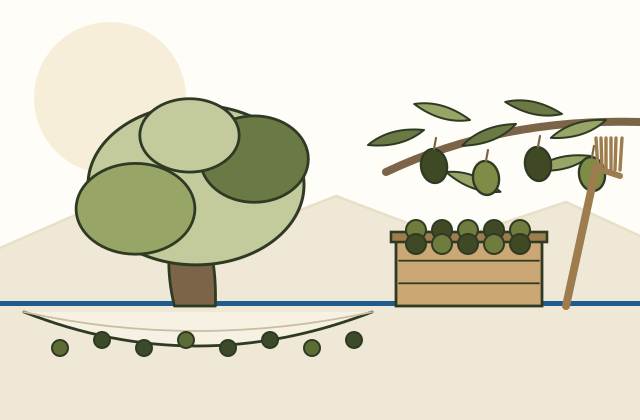
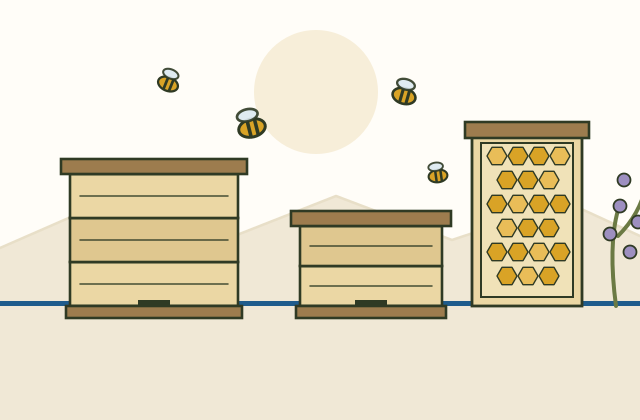
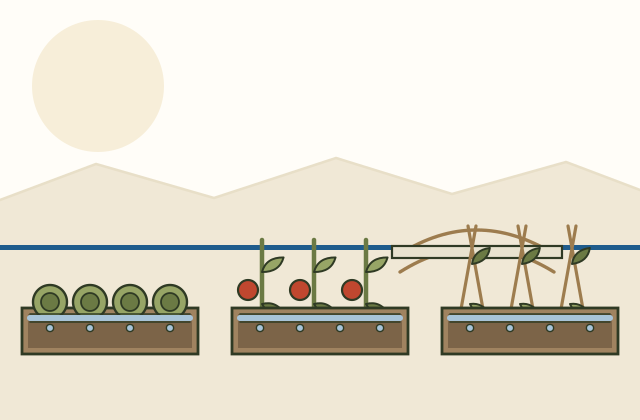
What the crops turn into, with sizes and prices.
The soil and the water that decide all of this.
Four days a year when you can come and work on it.