
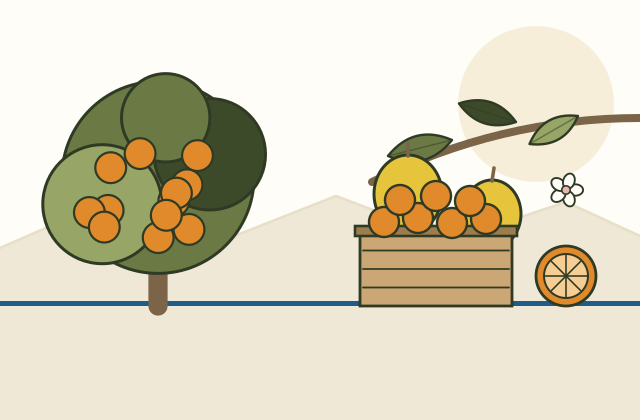
Oranges and lemons
Citrus is the largest thing we grow and the reason the plot exists at all.
December to July
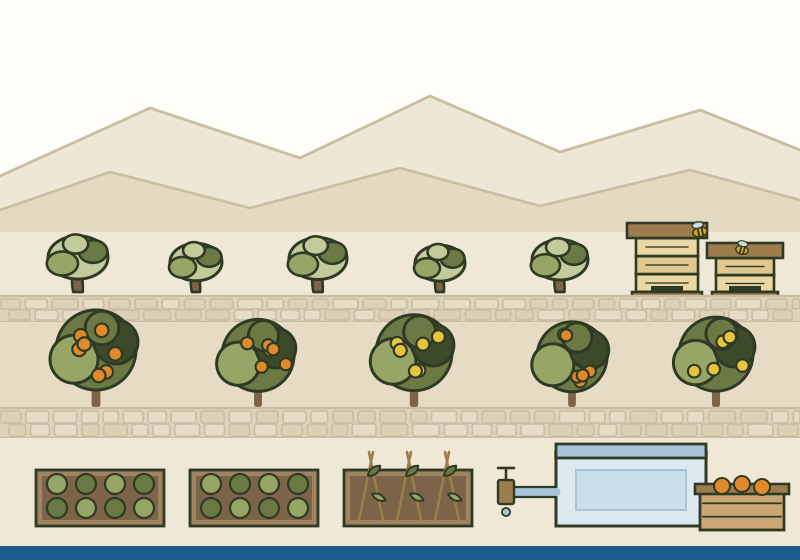
Oranges, lemons, figs, almonds, olives and a vegetable garden, on a plot that had been left for twelve years when we took it on in 2017. We sell what we preserve, and four times a year people come and work with us.
Late August
The fig drying is finishing. Trays are going out at eight in the morning and coming in at seven, and this year's crop has been much better than last year's, which the July 2025 heat mostly destroyed.
The almonds are coming off now, knocked onto sheets tree by tree, and it will take another fortnight.
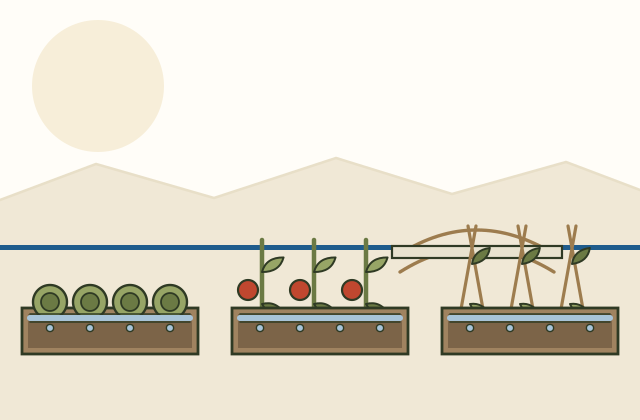
The vegetable beds are under shade cloth and are being kept alive rather than grown, which is what August is for here. There is a note about that from earlier this month.
Next on the calendar is the olive harvest and pressing day in November.
Six things, and what we can grow is decided almost entirely by soil depth and by how much water there is. The pages go into real detail, including the years that went badly.
Citrus is the largest thing we grow and the reason the plot exists at all.
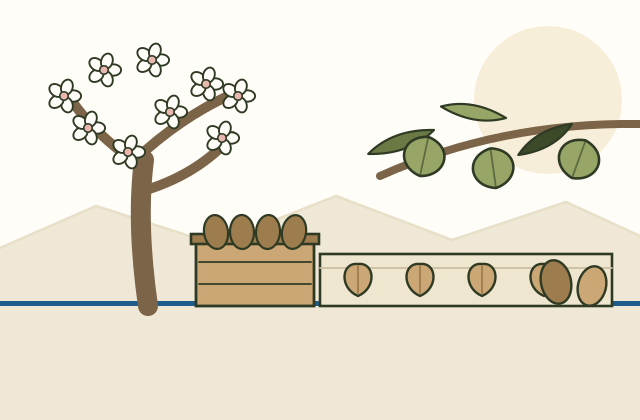
Almonds are the least reliable crop we have and the one we would least like to lose.
Ten lines, made in the month the fruit is ready. Ordered by email rather than through a checkout, because at a few hundred jars a year a shop system would cost more to run than it would carry.
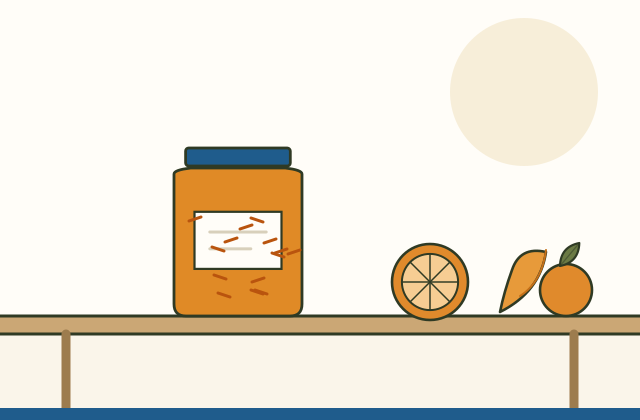
Made once a year from the six bitter orange trees, in a stretch of about three weeks in January and February.
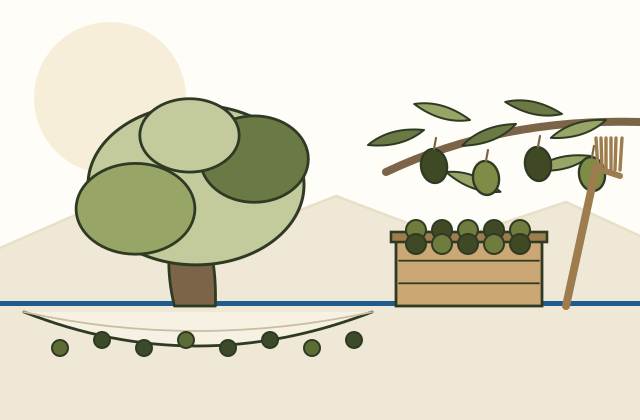
Galega and Cobrançosa, picked in the first three weeks of November while the fruit is still turning, and milled within a day.
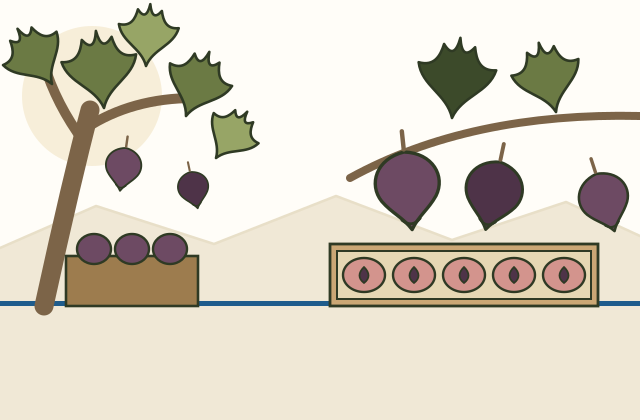
Split and dried outdoors on mesh covered trays over three to five days in August.
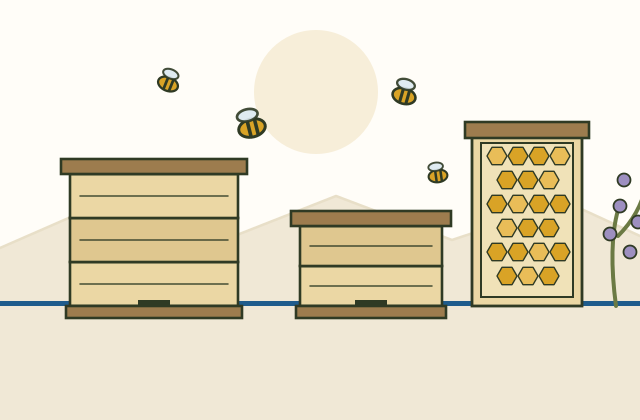
One extraction a year, in the middle of June, from nine hives on the top terrace.
Four working days a year, on real dates, with small numbers. Not tours. You do the job we would be doing anyway, and it is the only way we do visits.
Written while the thing was happening rather than looked up afterwards. There are seven of them.