
Orange picking morning
Three hours on a January Saturday in the citrus block. The easiest of the four days, and the one small children can actually join in with.
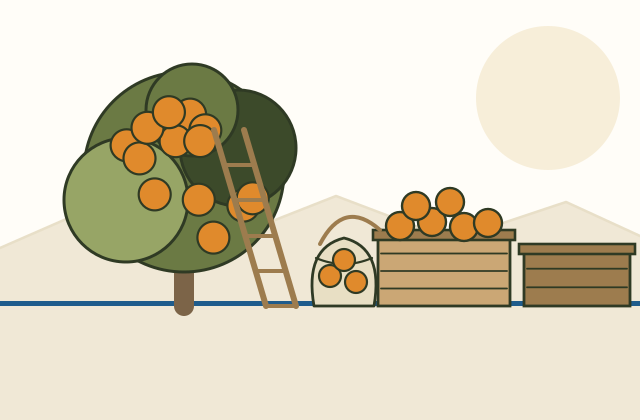
January here is bright, about sixteen degrees by mid morning, and the trees are full. It is the best time to be in the orchard and the least demanding work we do.
What the day looks like
- 9.00. Coffee and ten minutes on how to cut fruit off a tree without wrecking it, which sounds trivial and is the one thing we are strict about.
- 9.20 to 11.00. Picking, with clippers and picking bags, working through the Navelina and the early Lane Late.
- 11.00. Break, and juice from whatever came off the tree in the last hour.
- 11.20. The bitter orange trees, which are a different job entirely and take about twenty minutes.
- 11.45. Grading on the packing bench, which is where you find out how much of what you picked is actually first grade.
- 12.00. Done. Weigh out your five kilos and go.
What you actually do
You pick oranges with clippers, cutting the stalk flush rather than pulling the fruit. Pulling tears a plug out of the skin and that orange will rot inside a week. It takes five minutes to learn and it is the whole technique.
There are ladders for the higher fruit and you do not have to go up one. Most of a citrus tree is pickable from the ground and there is always plenty at head height.
The bitter orange trees at the end are the interesting part. The fruit is knobbly and hard and smells completely different, and it is the raw material for the marmalade that is made a few weeks later on the preserving day.
What you take home
- Five kilos of oranges you picked. Bring a bag or a box, we have crates but they come back to us.
- A small jar of bitter orange marmalade from the previous winter.
- The ability to tell whether an orange in a shop was cut or pulled, which you will not be able to stop doing.
What to wear and bring
- Closed shoes. The terraces are uneven but this is the flattest part of the plot.
- Layers. Nine degrees at nine in the morning, seventeen by noon, in the same January.
- A hat and sun cream, which people forget in winter and should not.
- A bag or box for your oranges.
- Long sleeves if you have sensitive skin. Citrus leaves and thorns catch.
Weather
We run this one in light rain and simply hand out waterproofs. Picking in drizzle is fine and the fruit does not mind. We would only cancel for a genuine storm, which happens perhaps once in a winter, and in that case you get the full amount back or another date.
Children
This is the one day where children work well. Over six is fine with an adult, they pick low fruit better than adults do because they are the right height for it, and three hours is about their limit anyway. Children come at half price and still count towards the twelve places.
Who this day is not for
Anyone hoping for a tour with a commentary. There is about ten minutes of explanation and then two and a half hours of picking. If you want to understand the whole system rather than do one job, the olive day covers far more ground, at four times the effort.
How to book
Email hello@nossoparaiso.com with the date you want and how many of you there are, or use the form on the contact page. We reply within a couple of days.
We hold the place while we confirm, then ask for the full amount by bank transfer. There is no online booking system and no card payment on the day.
Cancel more than seven days before and you get everything back. Inside seven days we refund half, because at our group sizes an empty place is a place nobody else could take. If we cancel for any reason you get everything back. This is set out again on the questions page and in the terms.
Why January
Because the Navelina is ready, the bitter oranges colour in that fortnight, and the weather is as good as it gets here. In August the same orchard is 40 degrees and there is nothing on the trees. More about the citrus block and its varieties is on the oranges and lemons page.
Where to next
The 144 trees and when each variety comes in.
What happens to the bitter oranges a few weeks later.
The jar you take home.